

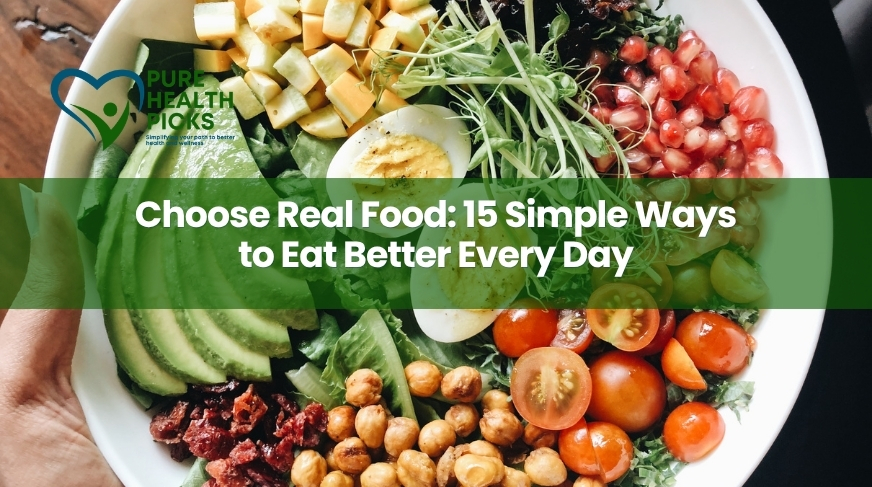
Choosing real food means making nutritious, minimally processed foods the foundation of your everyday eating pattern. This can include vegetables, fruits, whole grains, beans, lentils, nuts, seeds, and appropriate protein sources. It does not mean that every packaged or processed food is unhealthy or that you must follow a restrictive…...
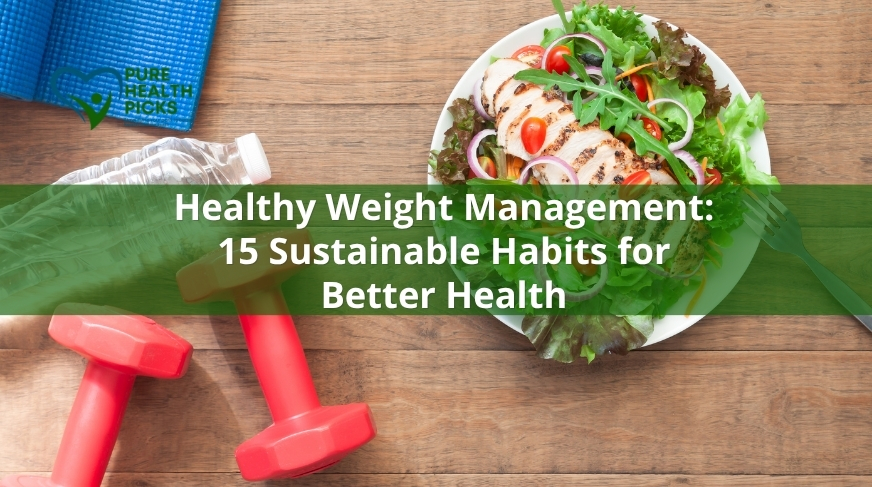
Healthy weight management is about developing sustainable habits that support overall health rather than relying on crash diets or rapid-fix solutions. A balanced eating pattern, regular physical activity, adequate sleep, stress management, realistic goals, and long-term consistency can all contribute to healthier weight management. Body weight is also influenced by…...
A healthy liver is supported by many of the same habits that promote overall wellness: eating a balanced and varied diet, staying physically active, maintaining a healthy weight when appropriate, limiting or avoiding alcohol, avoiding tobacco, using medications and supplements responsibly, and following recommended healthcare guidance. Fatty liver disease can…...
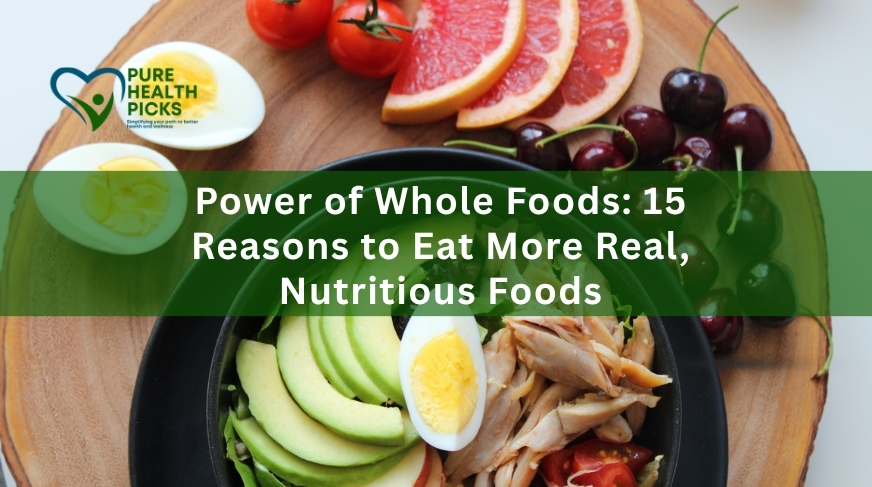
The power of whole foods comes from their ability to provide a wide range of nutrients within a balanced eating pattern. Fruits, vegetables, whole grains, legumes, nuts, seeds, and other minimally processed foods can provide fiber, vitamins, minerals, protein, healthy fats, and other beneficial nutrients. WHO's current healthy-diet guidance identifies…...
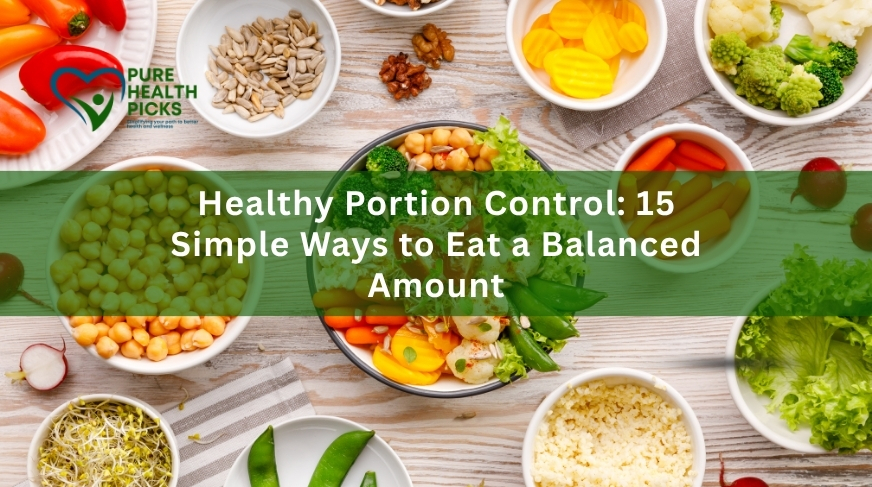
Healthy portion control means becoming more aware of how much food you serve and eat while still giving your body enough nutrition. It does not mean severely restricting food or constantly counting calories. A practical approach is to build balanced meals with vegetables and fruit, whole grains or other nutrient-rich…...
Feeling hungry throughout the day can happen for many reasons, including eating too little protein or fiber, dehydration, poor sleep, stress, or high intake of ultra-processed foods. Choosing balanced meals with protein, healthy fats, fiber-rich foods, and staying hydrated can help you feel satisfied for longer. If persistent hunger is…...

Healthy digestion depends on a balanced diet, adequate fiber, proper hydration, regular physical activity, stress management, and healthy daily routines. Supporting your digestive system with whole foods and consistent lifestyle habits can help maintain normal digestive function and overall well-being....
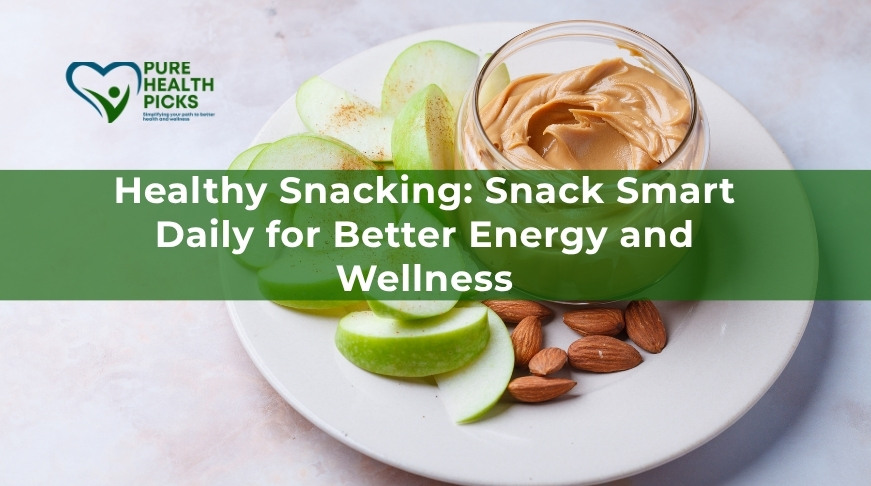
Healthy snacking means choosing nutrient-dense foods that provide protein, fiber, healthy fats, vitamins, and minerals instead of highly processed snacks high in added sugar, sodium, and unhealthy fats. Smart snack choices can help maintain energy levels, manage hunger, and support a balanced diet throughout the day....
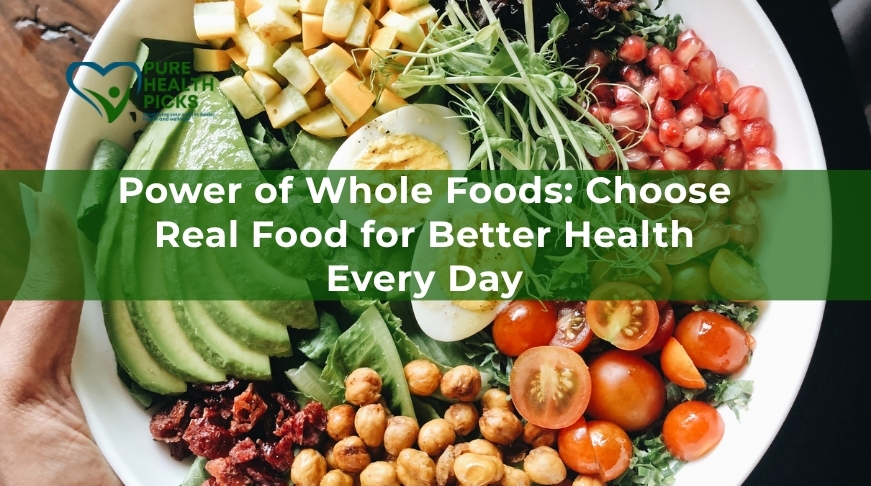
Whole foods are foods that are minimally processed and retain most of their natural nutrients. Eating more whole foods—such as fruits, vegetables, whole grains, legumes, nuts, seeds, lean proteins, and healthy fats—can support heart health, digestion, energy levels, and overall well-being while reducing reliance on highly processed foods....
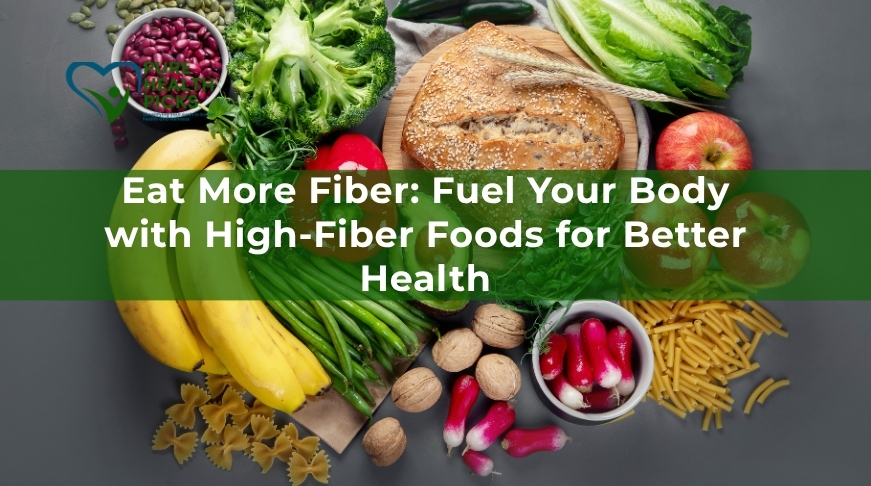
Eating more fiber supports healthy digestion, helps you feel full longer, promotes gut health, supports heart health, and contributes to balanced blood sugar levels. Including fruits, vegetables, legumes, whole grains, nuts, and seeds in your daily meals is one of the simplest ways to increase your fiber intake naturally....
Stay informed in the ever-evolving world of wellness with PureHealthPicks. Join our community for expert tips, honest reviews, and exclusive health insights.
We provide honest health and wellness product reviews, expert tips, and simple guides to help you make smarter, healthier lifestyle choices every day.
Copyright © All Rights Reserved. Designed and Developed by Web Craftrix .


 August 31, 2026