



 August 6, 2026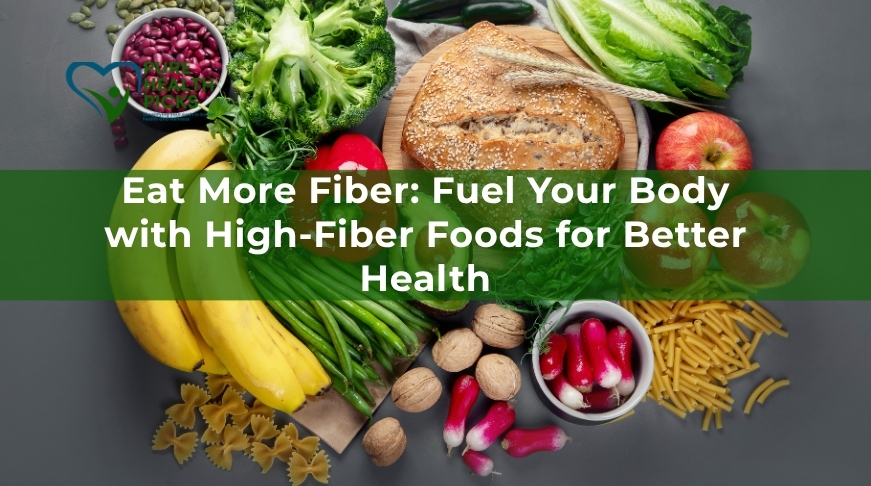
Eating more fiber supports healthy digestion, helps you feel full longer, promotes gut health, supports heart health, and contributes to balanced blood sugar levels. Including fruits, vegetables, legumes, whole grains, nuts, and seeds in your daily meals is one of the simplest ways to increase your fiber intake naturally.
Table of Contents
- What Is Dietary Fiber?
- Why Fiber Is Important
- Health Benefits of Fiber
- Best High-Fiber Foods
- How Much Fiber Do You Need?
- Easy Ways to More
- Common Fiber Mistakes
- Frequently Asked Questions
- Final Thoughts
When people think about healthy eating, they often focus on protein, vitamins, or healthy fats. However, dietary fiber is another essential nutrient that deserves equal attention. Fiber plays an important role in digestive health, supports your gut microbiome, helps regulate appetite, and contributes to overall wellness.
Despite its importance, many people consume less fiber than recommended. Fortunately, increasing your fiber intake doesn’t require expensive supplements or complicated meal plans. Simple choices like eating more fruits, vegetables, legumes, and whole grains can make a meaningful difference.
This guide explains why fiber matters, how much you need, the best food sources, and practical ways to add more fiber to your daily routine.
What Is Dietary Fiber?
Dietary fiber is a type of carbohydrate found in plant-based foods that your body cannot fully digest. Unlike other carbohydrates, fiber passes through the digestive system largely intact, where it supports healthy digestion and feeds beneficial gut bacteria.
There are two main types of fiber:
Soluble Fiber
Soluble fiber dissolves in water and forms a gel-like substance during digestion.
Common sources include:
- Oats
- Apples
- Citrus fruits
- Beans
- Lentils
- Barley
Insoluble Fiber
Insoluble fiber adds bulk to stool and supports regular bowel movements.
Common sources include:
- Whole wheat
- Brown rice
- Nuts
- Seeds
- Leafy greens
- Vegetables
Most fiber-rich foods contain a combination of both types, making variety an important part of a healthy diet.
Why Is Fiber Important?
Fiber contributes to many aspects of health.
A high-fiber diet may help:
- Support digestive health
- Promote regular bowel movements
- Feed beneficial gut bacteria
- Help maintain healthy cholesterol levels
- Support healthy blood sugar regulation
- Increase feelings of fullness
- Encourage healthy eating habits
- Contribute to heart health
Including fiber-rich foods as part of a balanced diet can support long-term wellness.
1. Supports Healthy Digestion
Fiber helps food move through the digestive tract more efficiently.
2. Promotes Gut Health
Fiber serves as food for beneficial bacteria in your gut microbiome.
3. Helps You Feel Full Longer
High-fiber foods often promote satiety, which may help reduce unnecessary snacking.
4. Supports Heart Health
Many fiber-rich foods are associated with heart-healthy eating patterns.
5. Helps Maintain Healthy Blood Sugar
Fiber can slow the digestion of carbohydrates, supporting gradual blood sugar changes after meals.
6. Supports Healthy Cholesterol Levels
Soluble fiber may help support healthy cholesterol as part of a balanced diet.
7. Encourages Healthy Weight Management
Fiber-rich meals are often more filling while providing valuable nutrients.
8. Supports Colon Health
Adequate fiber contributes to healthy digestive function.
9. Improves Meal Quality
Fiber-rich foods are typically nutrient-dense and naturally lower in highly processed ingredients.
10. Supports Long-Term Wellness
Regular fiber intake is associated with healthy eating patterns.
11. Increases Nutrient Intake
Many high-fiber foods also provide vitamins, minerals, and antioxidants.
12. Encourages Better Overall Nutrition
Choosing fiber-rich foods often leads to a more balanced diet.
Best High-Fiber Foods
Fruits
- Apples
- Pears
- Raspberries
- Strawberries
- Oranges
- Bananas
Vegetables
- Broccoli
- Brussels sprouts
- Carrots
- Spinach
- Sweet potatoes
- Green peas
Whole Grains
- Oats
- Brown rice
- Quinoa
- Whole wheat bread
- Whole grain pasta
- Barley
Legumes
- Lentils
- Chickpeas
- Black beans
- Kidney beans
- Split peas
Nuts and Seeds
- Chia seeds
- Flaxseeds
- Almonds
- Pistachios
- Walnuts
How Much Fiber Do You Need?
Daily fiber needs vary depending on age, sex, and overall health.
General recommendations include:
- Adult women: approximately 25 grams of fiber per day.
- Adult men: approximately 38 grams of fiber per day.
If you’re increasing fiber intake, do so gradually and drink enough water to help your digestive system adjust.
- Start your day with oatmeal.
- Choose whole-grain bread instead of white bread.
- Eat fruit instead of fruit juice.
- Add beans to soups and salads.
- Snack on nuts and seeds.
- Include vegetables with every meal.
- Choose brown rice over white rice.
- Add chia seeds to yogurt or smoothies.
- Eat the skin on apples and potatoes when appropriate.
- Try lentil-based soups.
- Replace refined cereals with whole-grain options.
- Include legumes several times each week.
- Add berries to breakfast.
- Choose popcorn instead of chips for an occasional snack.
- Read nutrition labels to compare fiber content.
Common Fiber Mistakes
Avoid these common habits:
- Increasing fiber too quickly
- Drinking too little water
- Relying only on supplements
- Eating too many refined grains
- Skipping fruits and vegetables
- Ignoring whole grains
- Choosing sugary processed snacks over whole foods
High-Fiber Daily Checklist
Eat whole grains
Include fruits every day
Add vegetables to meals
Eat legumes regularly
Snack on nuts and seeds
Stay hydrated
Increase fiber gradually
Read food labels
Choose minimally processed foods
Maintain a balanced diet
Frequently Asked Questions
What foods are highest in fiber?
Some of the richest sources include beans, lentils, chia seeds, flaxseeds, oats, whole grains, berries, broccoli, pears, and apples.
How can I increase fiber naturally?
Eat more fruits, vegetables, whole grains, legumes, nuts, and seeds while replacing refined grains with whole-grain alternatives.
Is too much fiber harmful?
Very high fiber intake introduced suddenly may cause digestive discomfort. Increase intake gradually and drink adequate fluids.
Can fiber help with digestion?
Yes. Fiber supports healthy digestion and regular bowel movements as part of a balanced diet.
Should I take fiber supplements?
Whole foods are generally the preferred source of dietary fiber because they also provide vitamins, minerals, and other beneficial nutrients. Speak with a healthcare professional if you’re considering supplements.
Schema Suggestions
- Article Schema
- FAQPage Schema
- BreadcrumbList Schema
- HowTo Schema (Increasing Daily Fiber Intake)
- Organization Schema
- WebPage Schema
Internal Linking Opportunities
Link naturally to:
- Healthy Breakfast
- Sugar Awareness
- Healthy Heart
- Wellness Every Day
- Healthy Skin Hydration
- Stay Active
- Walk Every Day
- Power of Whole Foods
- Healthy Snacking
External Authority Sources
Reference trusted organizations such as:
- Academy of Nutrition and Dietetics
- Harvard T.H. Chan School of Public Health
- U.S. Department of Agriculture (USDA)
- National Institutes of Health (NIH)
- World Health Organization (WHO)
AI Overview & Featured Snippet Optimization
What is dietary fiber?
Dietary fiber is a type of carbohydrate found in plant-based foods that the body cannot fully digest. It supports healthy digestion, nourishes beneficial gut bacteria, promotes fullness, and contributes to overall health when consumed as part of a balanced diet.
Top High-Fiber Foods
| Food | Fiber Benefit |
|---|---|
| Lentils | Rich in soluble fiber and plant protein |
| Oats | Supports digestive and heart health |
| Chia Seeds | High in fiber and healthy fats |
| Apples | Provide fiber and antioxidants |
| Broccoli | Nutrient-rich vegetable with fiber |
| Beans | Excellent source of dietary fiber |
| Pears | Naturally high in fiber |
| Whole Grains | Support digestion and sustained energy |
Conclusion
Adding more fiber to your daily diet is one of the simplest ways to support digestion, gut health, heart health, and overall wellness. By choosing whole, minimally processed foods such as fruits, vegetables, legumes, whole grains, nuts, and seeds, you can naturally increase your fiber intake while benefiting from essential vitamins, minerals, and antioxidants.
Remember to make changes gradually, stay hydrated, and focus on variety rather than relying on a single source of fiber. Small, consistent improvements in your eating habits can contribute to lasting health benefits.
Call to Action
At Pure Health Picks, we’re here to help you make healthier choices with confidence. Explore our expert nutrition articles, wellness guides, fitness resources, skincare tips, and honest health product reviews to build sustainable habits that support a healthier lifestyle every day.