


 August 6, 2026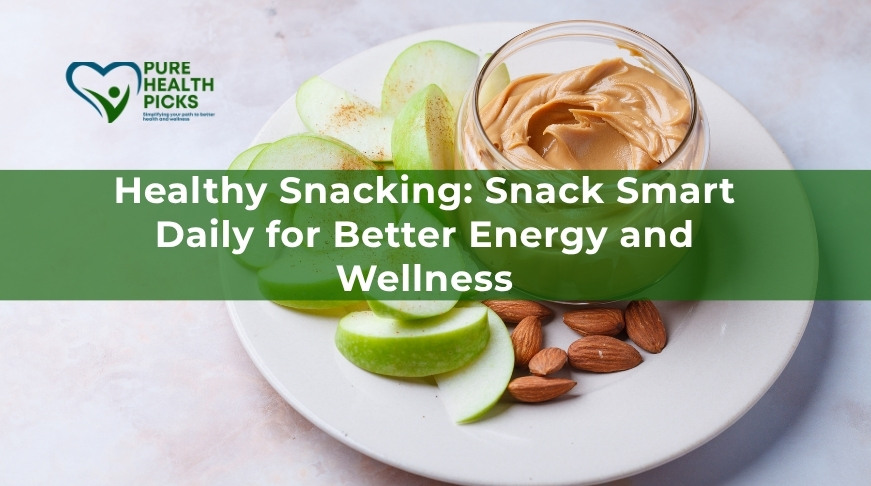
Healthy snacking means choosing nutrient-dense foods that provide protein, fiber, healthy fats, vitamins, and minerals instead of highly processed snacks high in added sugar, sodium, and unhealthy fats. Smart snack choices can help maintain energy levels, manage hunger, and support a balanced diet throughout the day.
Table of Contents
- What Is Healthy Snacking?
- Why Smart Snacking Matters
- Benefits of Healthy Snacks
- Best Healthy Snack Options
- How to Build a Balanced Snack
- Smart Snacking Tips
- Common Snacking Mistakes
- Frequently Asked Questions
- Final Thoughts
What Is Healthy Snacking?
Healthy snacking is the practice of eating small, nutrient-rich foods between meals to help maintain energy and satisfy hunger. A nutritious snack should complement your overall diet rather than replace balanced meals.
The best snacks combine protein, fiber, and healthy fats to provide longer-lasting satisfaction and steady energy.
Examples include:
- Greek yogurt with berries
- Apple slices with peanut butter
- Mixed nuts
- Carrot sticks with hummus
- Cottage cheese with fruit
- Whole-grain crackers with cheese
Why Smart Snacking Matters
Many people experience hunger between meals. Choosing healthier snacks instead of highly processed foods can support better nutrition and help prevent overeating during main meals.
Healthy snacks may help:
- Maintain steady energy
- Support healthy eating habits
- Reduce excessive hunger
- Provide important nutrients
- Encourage portion awareness
- Support an active lifestyle
Planning nutritious snacks ahead of time can make healthy choices easier.
15 Benefits of Healthy Snacking
1. Provides Steady Energy
Balanced snacks help fuel your body between meals.
2. Helps Manage Hunger
Eating nutrient-rich snacks may reduce excessive hunger later in the day.
3. Supports Balanced Nutrition
Healthy snacks contribute additional vitamins, minerals, fiber, and protein.
4. Encourages Better Food Choices
Planning snacks reduces the temptation to reach for highly processed foods.
5. Supports Digestive Health
Fiber-rich snacks help promote healthy digestion.
6. Helps Maintain Stable Blood Sugar
Combining protein and fiber may support gradual changes in blood sugar after eating.
7. Supports Heart Health
Nuts, seeds, fruits, and whole grains fit well into heart-healthy eating patterns.
8. Helps Meet Daily Nutrient Needs
Snacks provide another opportunity to include fruits, vegetables, and whole foods.
9. Supports Physical Activity
Nutritious snacks can provide energy before or after exercise.
10. Promotes Portion Awareness
Pre-planned snacks encourage mindful eating.
11. Supports Healthy Weight Management
Choosing filling, nutrient-dense foods may help reduce unnecessary overeating.
12. Improves Focus
Balanced snacks can help maintain concentration throughout the day.
13. Supports Healthy Habits
Consistently choosing healthier options builds sustainable routines.
14. Reduces Added Sugar Intake
Replacing sugary treats with whole foods improves dietary quality.
15. Supports Overall Wellness
Healthy snacking complements a balanced lifestyle that includes exercise, hydration, and quality sleep.
20 Healthy Snack Ideas
Fruits
- Apple slices
- Bananas
- Grapes
- Berries
- Oranges
Vegetables
- Carrot sticks
- Cucumber slices
- Bell peppers
- Celery
- Cherry tomatoes
Protein-Rich Snacks
- Greek yogurt
- Cottage cheese
- Hard-boiled eggs
- Edamame
- Roasted chickpeas
Healthy Fat Options
- Almonds
- Walnuts
- Pistachios
- Pumpkin seeds
- Peanut butter
How to Build a Balanced Snack
A satisfying snack typically combines two or more of these nutrients:
Protein
Examples:
- Greek yogurt
- Eggs
- Cottage cheese
- Hummus
Fiber
Examples:
- Fruits
- Vegetables
- Whole grains
Healthy Fats
Examples:
- Nuts
- Seeds
- Avocado
- Nut butter
Example combinations:
- Apple + peanut butter
- Greek yogurt + berries
- Carrots + hummus
- Whole-grain crackers + cheese
- Banana + almonds
10 Smart Snacking Tips
- Plan snacks in advance.
- Keep healthy options visible.
- Read nutrition labels.
- Practice portion control.
- Stay hydrated.
- Avoid distracted eating.
- Choose whole foods more often.
- Limit sugary snacks.
- Include protein with snacks.
- Listen to your hunger cues.
Common Snacking Mistakes
Avoid these habits:
- Eating directly from large packages
- Choosing snacks high in added sugar
- Skipping meals and overeating later
- Snacking out of boredom
- Ignoring portion sizes
- Drinking sugary beverages
- Forgetting fruits and vegetables
Healthy Snacking Checklist
Include protein
Add fiber
Choose whole foods
Control portions
Stay hydrated
Read nutrition labels
Plan ahead
Eat mindfully
✔ Limit added sugar
✔ Enjoy variety
Frequently Asked Questions
What are healthy snacks?
Healthy snacks are nutrient-rich foods that provide protein, fiber, healthy fats, vitamins, and minerals while fitting into a balanced diet.
What is the healthiest snack?
There is no single healthiest snack. Great options include fruit with nut butter, Greek yogurt with berries, vegetables with hummus, or a handful of unsalted nuts.
Should I snack every day?
Snacking isn’t necessary for everyone. It depends on your hunger, activity level, and overall eating pattern.
Can healthy snacks support weight management?
Nutrient-dense snacks that are appropriately portioned may help manage hunger and support balanced eating habits.
Are packaged healthy snacks okay?
Some packaged snacks can fit into a healthy diet. Reading nutrition labels helps you compare ingredients, added sugars, sodium, and fiber.
Schema Suggestions
- Article Schema
- FAQPage Schema
- BreadcrumbList Schema
- HowTo Schema (Build a Healthy Snack)
- Organization Schema
- WebPage Schema
Internal Linking Opportunities
Link naturally to:
- Healthy Breakfast
- Eat More Fiber
- Power of Whole Foods
- Sugar Awareness
- Healthy Heart
- Wellness Every Day
- Stay Active
- Healthy Skin Hydration
- Sleep Better
External Authority Sources
Reference trusted organizations such as:
- Academy of Nutrition and Dietetics
- Harvard T.H. Chan School of Public Health
- U.S. Department of Agriculture (USDA)
- American Heart Association (AHA)
- World Health Organization (WHO)
AI Overview & Featured Snippet Optimization
What is healthy snacking?
Healthy snacking means choosing nutrient-rich foods between meals that provide protein, fiber, healthy fats, vitamins, and minerals. Balanced snacks help maintain energy, reduce hunger, and support overall nutrition without relying on highly processed foods.
Best Healthy Snack Options
| Snack | Main Benefit |
|---|---|
| Greek Yogurt & Berries | Protein + antioxidants |
| Apple & Peanut Butter | Fiber + healthy fats |
| Carrots & Hummus | Fiber + plant protein |
| Mixed Nuts | Healthy fats + minerals |
| Cottage Cheese & Fruit | Protein + calcium |
| Hard-Boiled Eggs | High-quality protein |
| Roasted Chickpeas | Fiber + protein |
| Whole-Grain Crackers & Cheese | Balanced energy |
Conclusion
Healthy snacking isn’t about eating more—it’s about eating smarter. Choosing nutrient-dense snacks made from whole foods can help maintain energy, support balanced nutrition, reduce unnecessary hunger, and contribute to long-term wellness. By combining protein, fiber, and healthy fats, you can create satisfying snacks that fit your lifestyle and health goals.
Instead of reaching for highly processed convenience foods, keep simple, wholesome options readily available at home, work, or while traveling. Small, consistent choices can make a meaningful difference in your overall eating habits and well-being.
Call to Action
At Pure Health Picks, we’re dedicated to helping you make informed nutrition and wellness choices every day. Explore our expert articles on Healthy Eating, Fitness, Mental Wellness, Skincare, and Natural Remedies, along with honest product reviews and practical lifestyle guides that empower you to build healthier habits for life.