


Your morning does not need to begin at 5 a.m. You do not need an expensive wellness gadget. You do not need a complicated supplement stack. And you certainly do not need to copy someone else’s “perfect” routine from social media. A healthy morning routine is much simpler. It is…...
Hydration is important for overall health, and maintaining adequate fluid intake is part of supporting your body’s normal functions. But healthy skin depends on much more than simply drinking extra water. A practical skin-wellness routine combines adequate hydration, gentle skincare, protection from excessive sun exposure, balanced nutrition, sleep, and other…...

Stretch Today, Move Better: Why Daily Stretching Matters Quick answer: Stretching is a simple way to include mobility work in your daily routine. Regular flexibility exercises can help maintain or improve range of motion, particularly when practiced consistently. Stretching works best as part of a broader movement routine that includes…...
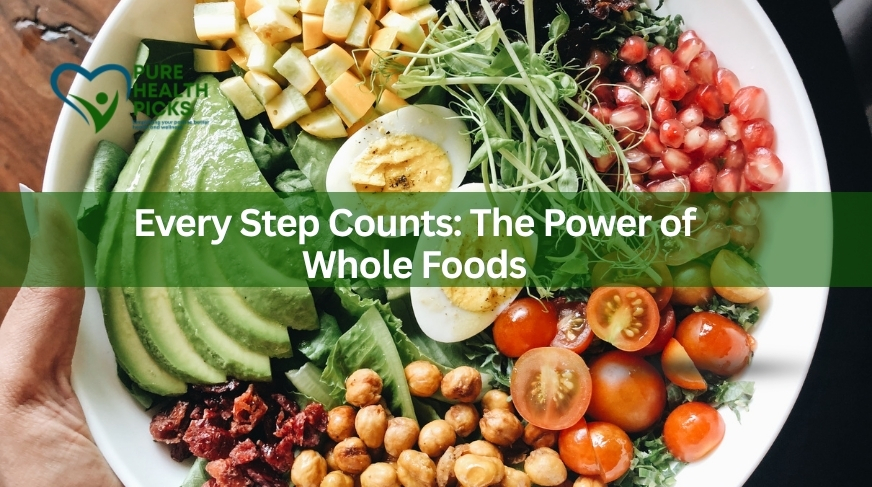
Whole foods are foods that are minimally processed and remain relatively close to their natural form. Fruits, vegetables, whole grains, beans, lentils, nuts, seeds, and other nutrient-dense foods can form the foundation of a healthy eating pattern. Choosing more whole foods can help increase fiber, vitamins, minerals, and other beneficial…...
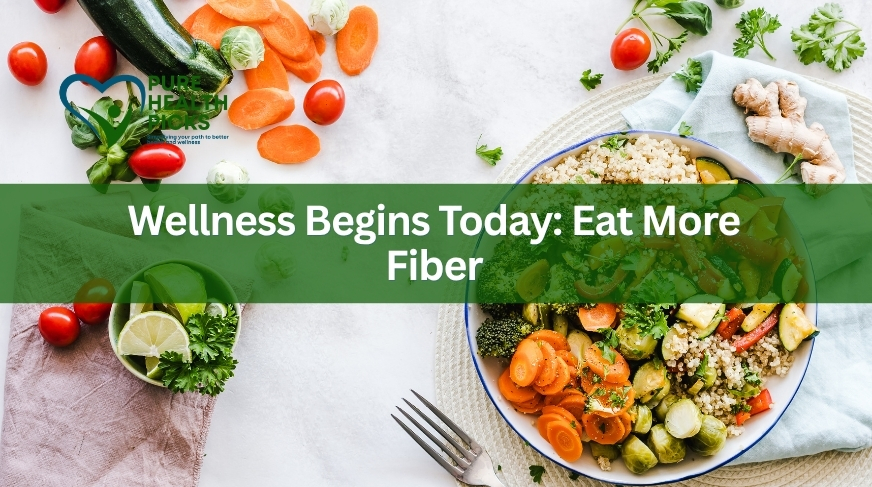
Quick answer: Eating more fiber is one of the simplest ways to improve the nutritional quality of your everyday diet. Dietary fiber is found mainly in plant foods such as vegetables, fruits, whole grains, beans, lentils, nuts, and seeds. Fiber supports digestive health, can help you feel fuller for longer,…...

A healthy mindset doesn't mean being positive all the time or pretending difficult emotions don't exist. It means developing healthier ways to understand your thoughts, manage everyday challenges, respond to setbacks, recognize your emotions, and seek support when necessary. Helpful habits can include realistic thinking, self-compassion, mindfulness, meaningful relationships, physical…...
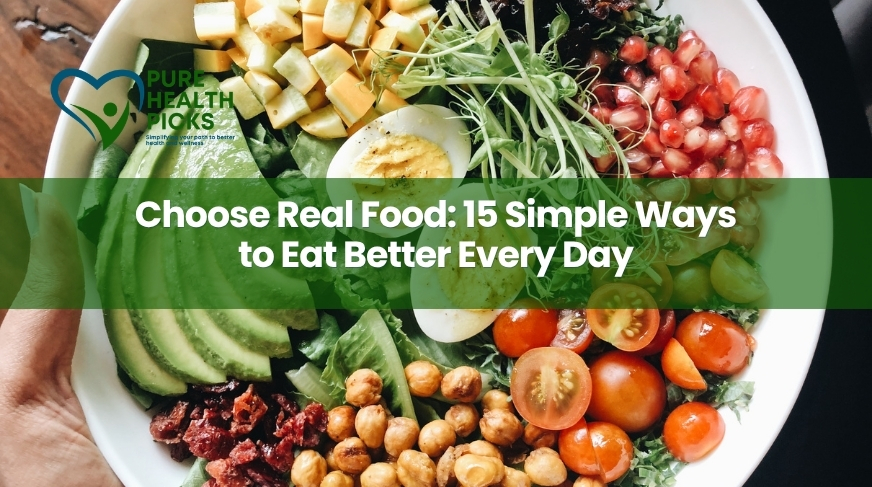
Choosing real food means making nutritious, minimally processed foods the foundation of your everyday eating pattern. This can include vegetables, fruits, whole grains, beans, lentils, nuts, seeds, and appropriate protein sources. It does not mean that every packaged or processed food is unhealthy or that you must follow a restrictive…...
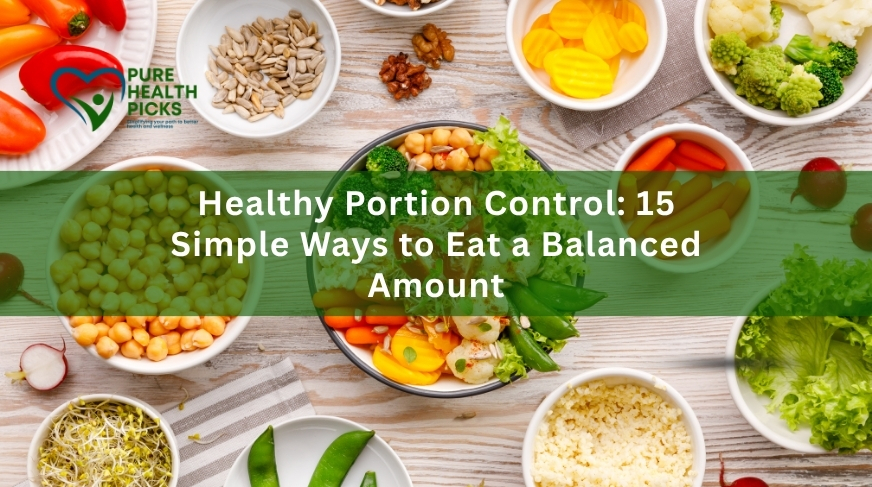
Healthy portion control means becoming more aware of how much food you serve and eat while still giving your body enough nutrition. It does not mean severely restricting food or constantly counting calories. A practical approach is to build balanced meals with vegetables and fruit, whole grains or other nutrient-rich…...

Feeling hungry throughout the day can happen for many reasons, including eating too little protein or fiber, dehydration, poor sleep, stress, or high intake of ultra-processed foods. Choosing balanced meals with protein, healthy fats, fiber-rich foods, and staying hydrated can help you feel satisfied for longer. If persistent hunger is…...
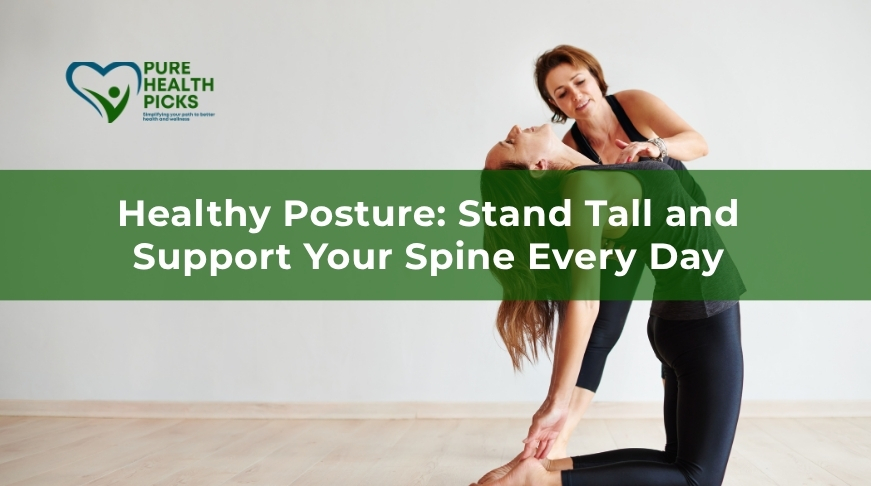
A healthy posture helps keep your spine properly aligned while sitting, standing, and moving. Maintaining good posture through ergonomic habits, regular stretching, strength exercises, and movement breaks can reduce muscle strain, improve comfort, support balance, and contribute to long-term musculoskeletal health....
Stay informed in the ever-evolving world of wellness with PureHealthPicks. Join our community for expert tips, honest reviews, and exclusive health insights.
We provide honest health and wellness product reviews, expert tips, and simple guides to help you make smarter, healthier lifestyle choices every day.
Copyright © All Rights Reserved. Designed and Developed by Web Craftrix .


 October 6, 2026