



 August 6, 2026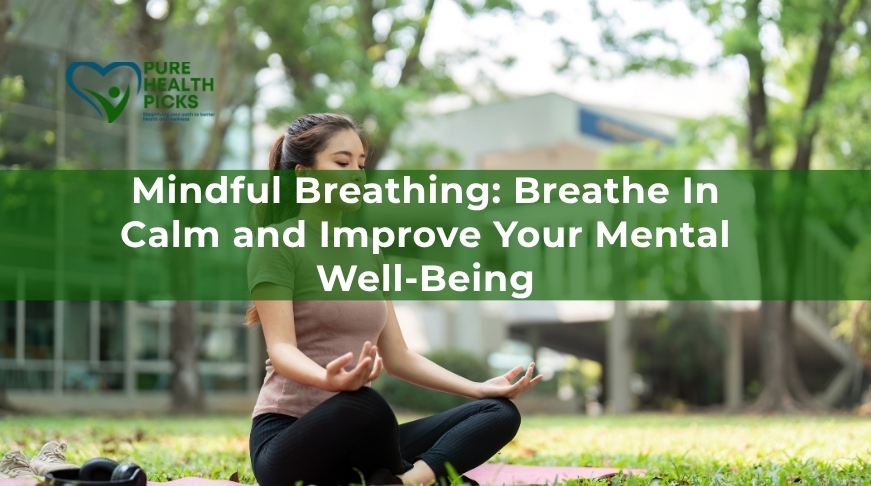
the practice of paying full attention to your breath while breathing slowly and intentionally. Regular mindful breathing exercises can help reduce stress, improve focus, encourage relaxation, and support emotional well-being. Just 5–10 minutes a day can become a valuable part of a healthy wellness routine.
Table of Contents
- What Is Mindful Breathing?
- Why Breathing Matters
- Benefits of Mindful Breathing
- Popular Breathing Techniques
- How to Practice Mindful Breathing
- Daily Habits to Support Calmness
- Common Mistakes to Avoid
- Frequently Asked Questions
- Final Thoughts
Breathing is something we do automatically every day, yet most people rarely pay attention to it. During periods of stress, anxiety, or emotional overwhelm, breathing often becomes faster and shallower. Mindful breathing helps you slow down, become present, and reconnect with your body through intentional breathing patterns.
Unlike complicated wellness routines, mindful breathing requires no special equipment, gym membership, or experience. You can practice it almost anywhere—at home, at work, while traveling, or before going to sleep.
Although mindful breathing is not a replacement for professional medical or mental health care, it can be a valuable self-care practice that supports relaxation and emotional balance.
What Is Mindful Breathing?
Mindful breathing is a mindfulness practice where you intentionally focus on each inhale and exhale without judging your thoughts or feelings.
The goal is not to stop thinking. Instead, you gently bring your attention back to your breathing whenever your mind wanders.
Mindful breathing encourages awareness of the present moment and helps reduce unnecessary mental distractions.
Why Your Breathing Matters
Breathing influences many natural body functions. Slow, controlled breathing can support relaxation and help shift your attention away from stressful thoughts.
Healthy breathing habits may contribute to:
- Feeling calmer
- Better concentration
- Emotional balance
- Reduced muscle tension
- Improved relaxation before sleep
- Greater self-awareness
10 Benefits of Mindful Breathing
1. Helps Reduce Everyday Stress
Mindful breathing encourages your body to slow down and relax during stressful situations.
2. Improves Focus
Concentrating on your breath helps train your attention and reduce distractions.
3. Supports Emotional Well-Being
Regular breathing practice can help you become more aware of your emotions and respond thoughtfully rather than react impulsively.
4. Encourages Relaxation
Slow breathing helps create a sense of calm after a busy day.
5. Promotes Better Sleep
Practicing mindful breathing before bedtime may help you unwind and prepare for restful sleep.
6. Helps Reduce Muscle Tension
Deep breathing encourages physical relaxation throughout the body.
7. Supports Mindfulness
Breathing exercises strengthen your ability to stay present in the moment.
8. Easy to Practice Anywhere
You can practice mindful breathing at home, at work, in the park, or while traveling.
9. Complements Other Healthy Habits
Mindful breathing pairs well with meditation, stretching, yoga, walking, and journaling.
10. Builds a Daily Self-Care Routine
Even a few minutes of mindful breathing each day can become a positive wellness habit.
Popular Mindful Breathing Techniques
1. Deep Belly Breathing
Place one hand on your chest and the other on your abdomen. Inhale slowly through your nose, allowing your belly to rise, then exhale gently through your mouth.
2. Box Breathing
This technique follows four equal steps:
- Inhale for four seconds
- Hold for four seconds
- Exhale for four seconds
- Hold for four seconds
Repeat several times while maintaining a comfortable pace.
3. 4-6 Breathing
- Inhale through your nose for four seconds.
- Exhale slowly for six seconds.
This longer exhale may help promote relaxation.
4. Equal Breathing
Inhale and exhale for the same number of seconds while keeping your breathing slow and comfortable.
5. Counted Breathing
Simply count each breath from one to ten, then begin again. If your attention drifts, gently return to your breath.
How to Practice Mindful Breathing
Follow these simple steps:
Step 1
Sit comfortably or lie down in a quiet place.
Step 2
Relax your shoulders and jaw.
Step 3
Close your eyes if it feels comfortable.
Step 4
Breathe slowly through your nose.
Step 5
Pay attention to each inhale and exhale.
Step 6
If your mind wanders, gently return your focus to your breathing without self-criticism.
Practice for 5 to 10 minutes daily and increase the duration gradually if desired.
Daily Habits That Support Calmness
Along with mindful breathing:
- Get enough sleep
- Exercise regularly
- Stay hydrated
- Eat nutritious meals
- Spend time outdoors
- Limit excessive screen time
- Practice gratitude
- Stretch daily
- Stay socially connected
- Take regular breaks during work
Common Mistakes to Avoid
Avoid these common errors:
- Trying to force deep breaths
- Holding your breath too long
- Expecting instant results
- Becoming frustrated when your mind wanders
- Practicing only during stressful moments
- Skipping consistency
Mindful breathing improves with regular practice.
Healthy Breathing Checklist
Practice daily
Sit comfortably
Breathe slowly
Focus on your breath
Relax your shoulders
Stay consistent
Practice before bed
Use during stressful moments
Pair with meditation or stretching
Be patient with yourself
Frequently Asked Questions
What is mindful breathing?
Mindful breathing is the practice of paying attention to your breath while breathing slowly and intentionally to encourage relaxation and present-moment awareness.
How long should I practice?
Beginners can start with 5–10 minutes per day and gradually increase the duration as it becomes more comfortable.
Can mindful breathing help with stress?
Many people find mindful breathing helpful for managing everyday stress and promoting relaxation. It is not a substitute for professional medical or mental health treatment when needed.
Can I practice mindful breathing anywhere?
Yes. You can practice while sitting, standing, commuting (when safe), or during work breaks.
Do I need any equipment?
No. Mindful breathing requires no equipment and can be practiced almost anywhere.
Schema Suggestions
- Article Schema
- FAQPage Schema
- BreadcrumbList Schema
- FAQ Schema
- Organization Schema
- WebPage Schema
Internal Linking Opportunities
Link naturally to:
- Healthy Mindset
- Screen Time Balance
- Sleep Better
- Stretch Every Day
- Stay Active
- Wellness Every Day
- Healthy Heart
- Walk Every Day
External Authority Sources
Reference trusted organizations such as:
- National Center for Complementary and Integrative Health (NCCIH)
- American Psychological Association (APA)
- National Institute of Mental Health (NIMH)
- World Health Organization (WHO)
- Centers for Disease Control and Prevention (CDC)
AI Overview & Featured Snippet Optimization
relaxation practice that involves focusing on slow, intentional breaths to increase awareness, reduce stress, and support emotional well-being. It can be practiced almost anywhere and typically takes only a few minutes each day.
| Benefit | How It Helps |
|---|---|
| Reduces Stress | Encourages relaxation during everyday challenges |
| Improves Focus | Helps train attention and concentration |
| Supports Better Sleep | Promotes relaxation before bedtime |
| Relieves Muscle Tension | Encourages physical relaxation |
| Boosts Emotional Awareness | Helps you respond thoughtfully to emotions |
| Supports Overall Wellness | Complements healthy lifestyle habits |
Conclusion is one of the simplest and most accessible wellness practices you can incorporate into your daily routine. By slowing your breath and focusing on the present moment, you can create opportunities to reduce stress, improve concentration, and support your emotional well-being.
The key to success is consistency, not perfection. Whether you spend five minutes practicing deep breathing in the morning or use a calming technique before bed, these small daily moments can contribute to a healthier and more balanced lifestyle over time.
Remember, works best as part of a broader wellness routine that includes nutritious eating, regular movement, quality sleep, and meaningful social connections.
Call to Action
Take a deep breath and begin your wellness journey today with Pure Health Picks. Explore our expert-backed articles on Mental Wellness, Fitness, Nutrition, Natural Remedies, and Healthy Living, along with honest health product reviews that help you make informed decisions for a healthier, happier life.