

A healthy mindset doesn't mean being positive all the time or pretending difficult emotions don't exist. It means developing healthier ways to understand your thoughts, manage everyday challenges, respond to setbacks, recognize your emotions, and seek support when necessary. Helpful habits can include realistic thinking, self-compassion, mindfulness, meaningful relationships, physical…...
A healthy work-life balance means creating sustainable boundaries and routines that allow work responsibilities to coexist with sleep, relationships, physical activity, relaxation, personal interests, and other important parts of life. It does not mean spending exactly the same amount of time working and relaxing every day. A healthier balance may…...
A healthy morning routine doesn’t need to be complicated or take hours. A practical routine can include waking at a consistent time, drinking water, getting natural light, moving your body, eating a nutritious breakfast if you prefer one, practicing mindful breathing, planning your priorities, and allowing enough time for personal…...
Don’t wait until you feel unhealthy to start taking care of your health. Preventive wellness means building healthy behaviors and using appropriate preventive healthcare before a problem becomes obvious. This can include eating a balanced diet, staying physically active, getting adequate sleep, avoiding tobacco, managing stress, maintaining healthy relationships, keeping…...
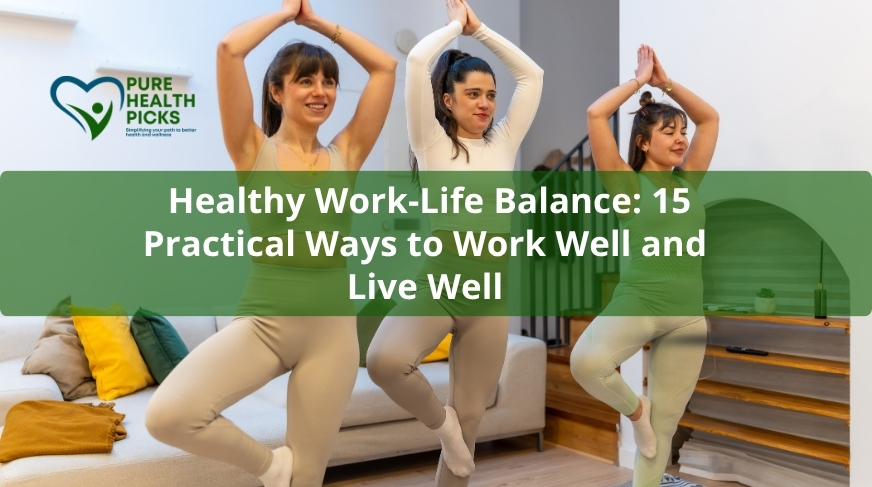
A healthy work-life balance means creating enough separation and flexibility between professional responsibilities and personal life to support your overall well-being. It doesn't mean spending exactly equal time working and relaxing. A healthier balance can involve setting realistic work boundaries, taking regular breaks, protecting sleep, staying physically active, making time…...
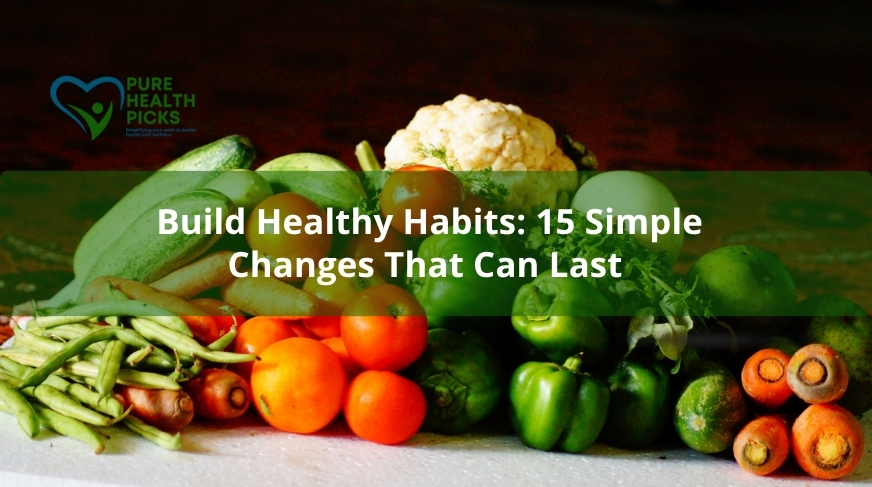
To build healthy habits, don't try to transform your entire lifestyle overnight. Choose one specific behavior, make it small enough to repeat, connect it to an existing routine, remove obstacles, and track your progress. Over time, gradually add other habits involving nutrition, physical activity, sleep, hydration, stress management, and mental…...
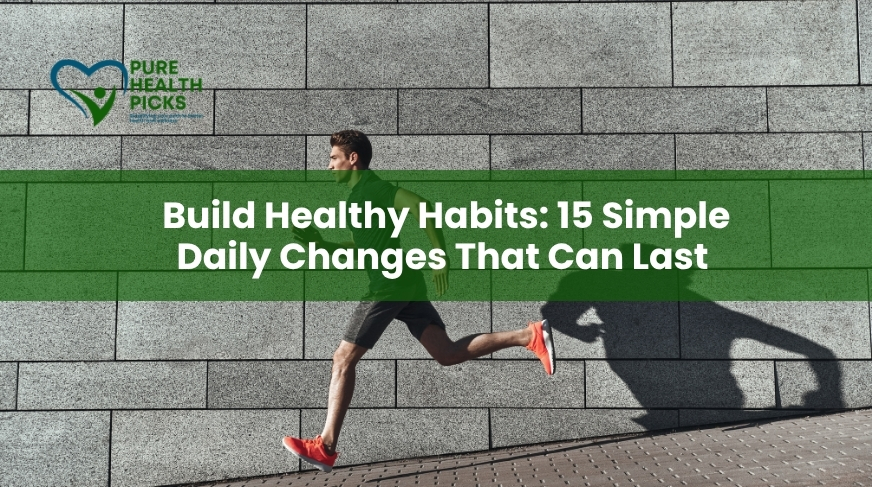
To build healthy habits, start with one small behavior that is specific, realistic, and easy to repeat. Connect it to an existing routine, make the healthy choice convenient, track your progress, and plan for setbacks. Instead of trying to completely transform your lifestyle overnight, gradually build habits around nutrition, physical…...
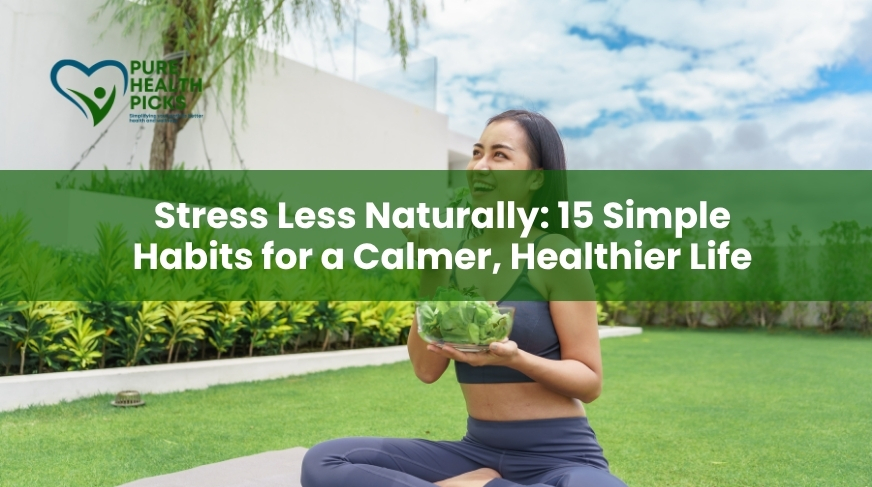
To stress less naturally, focus on sustainable habits that help your body and mind recover from everyday demands. Regular physical activity, adequate sleep, mindful breathing, time outdoors, meaningful social connection, nutritious meals, and intentional breaks can all become part of a healthy stress-management routine. The goal isn't to eliminate every…...

You don't need to wait until you feel unwell before paying attention to your health. Preventive wellness means building healthy habits, staying physically active, eating a balanced diet, getting enough sleep, managing stress, avoiding tobacco, and keeping up with appropriate preventive healthcare and screenings. Prevention cannot eliminate every health problem,…...
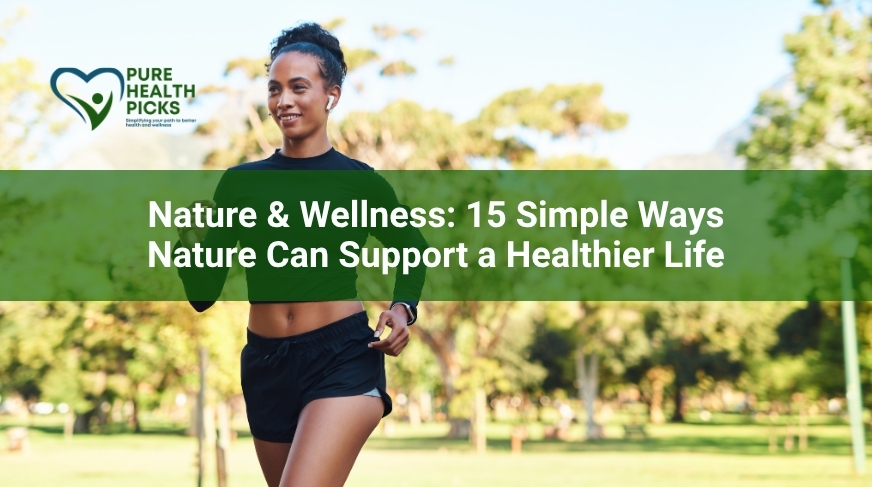
Nature and wellness are closely connected. Spending time in green and blue spaces can provide opportunities for physical activity, relaxation, social connection, and stress reduction. Research reviewed by the World Health Organization links exposure to natural environments with several aspects of physical and mental well-being, including improved mood, reduced stress,…...
Stay informed in the ever-evolving world of wellness with PureHealthPicks. Join our community for expert tips, honest reviews, and exclusive health insights.
We provide honest health and wellness product reviews, expert tips, and simple guides to help you make smarter, healthier lifestyle choices every day.
Copyright © All Rights Reserved. Designed and Developed by Web Craftrix .


 September 2, 2026