


To care for your heart, focus on sustainable habits rather than one “heart-healthy” food or supplement. Regular physical activity, a nutritious diet, maintaining a healthy weight when appropriate, avoiding tobacco, getting adequate sleep, managing stress, and keeping track of important health measurements such as blood pressure and cholesterol can all…...

A healthy mindset doesn't mean being positive all the time or pretending difficult emotions don't exist. It means developing healthier ways to understand your thoughts, manage everyday challenges, respond to setbacks, recognize your emotions, and seek support when necessary. Helpful habits can include realistic thinking, self-compassion, mindfulness, meaningful relationships, physical…...
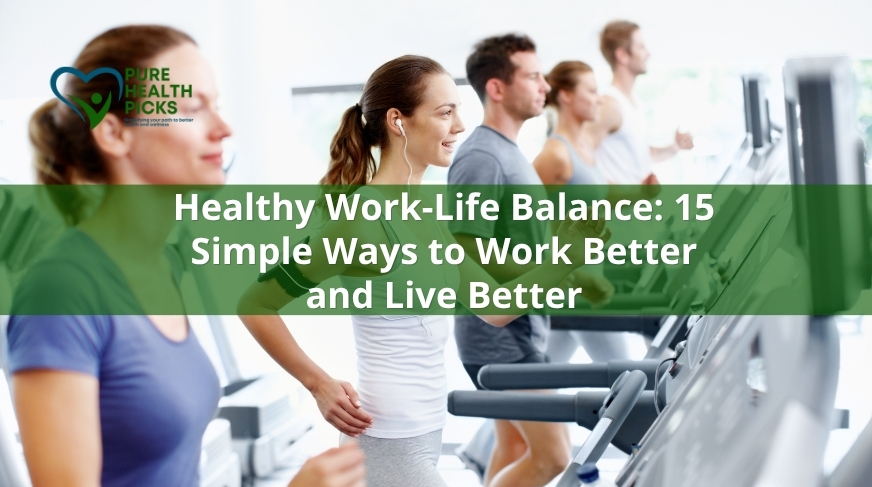
A healthy work-life balance means creating sustainable boundaries and routines that allow work responsibilities to coexist with sleep, relationships, physical activity, relaxation, personal interests, and other important parts of life. It does not mean spending exactly the same amount of time working and relaxing every day. A healthier balance may…...
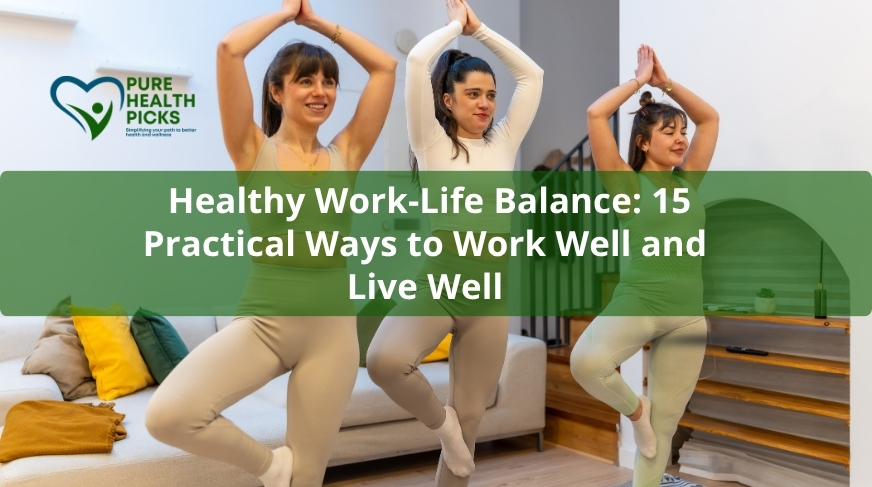
A healthy work-life balance means creating enough separation and flexibility between professional responsibilities and personal life to support your overall well-being. It doesn't mean spending exactly equal time working and relaxing. A healthier balance can involve setting realistic work boundaries, taking regular breaks, protecting sleep, staying physically active, making time…...

To stress less naturally, focus on sustainable habits that help your body and mind recover from everyday demands. Regular physical activity, adequate sleep, mindful breathing, time outdoors, meaningful social connection, nutritious meals, and intentional breaks can all become part of a healthy stress-management routine. The goal isn't to eliminate every…...
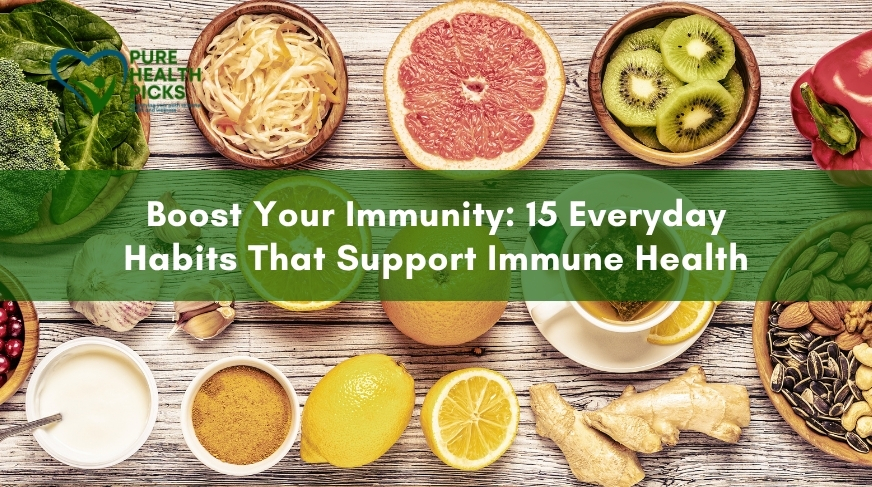
You cannot guarantee a stronger immune system with one food, vitamin, supplement, or wellness product. However, you can support normal immune function by eating a varied and nutritious diet, getting adequate sleep, staying physically active, managing stress, avoiding tobacco, limiting alcohol, practicing good hygiene, and following recommended preventive healthcare measures.…...

Healthy stress management involves using positive coping strategies such as regular exercise, mindful breathing, quality sleep, balanced nutrition, social connection, and relaxation techniques. While stress is a normal part of life, healthy daily habits can improve resilience and support long-term mental and physical well-being....
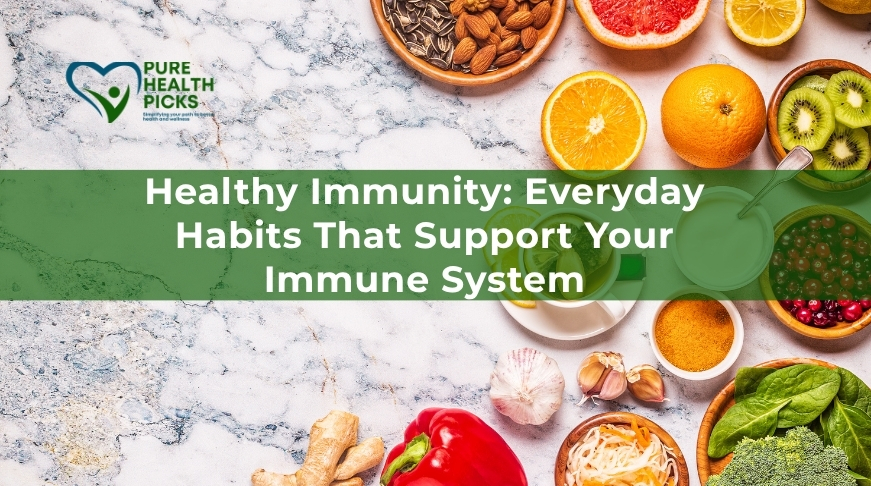
A healthy immune system is supported by consistent lifestyle habits, including eating a balanced diet rich in fruits and vegetables, staying physically active, getting enough sleep, managing stress, staying hydrated, and keeping up with recommended preventive healthcare. Rather than looking for quick fixes, focus on daily habits that support your…...
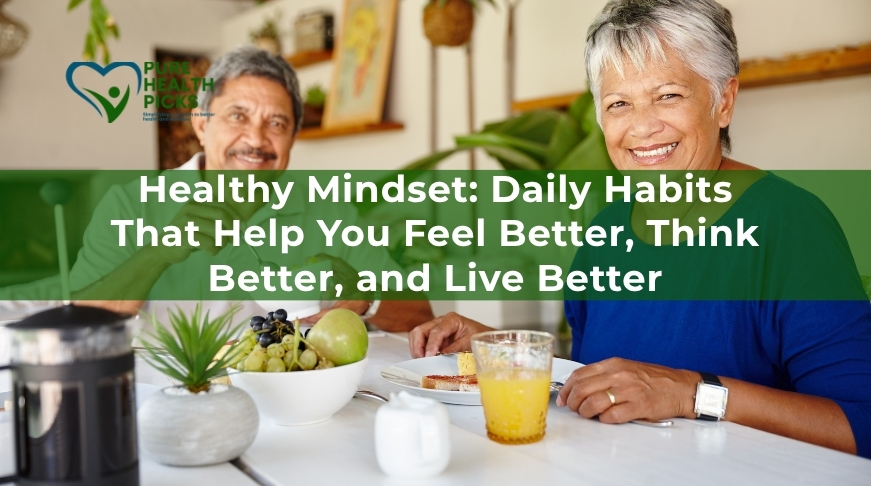
A healthy mindset is a way of thinking that promotes resilience, emotional balance, optimism, and personal growth. By practicing gratitude, mindfulness, positive self-talk, healthy routines, and stress management, you can strengthen your mental well-being and improve your quality of life....
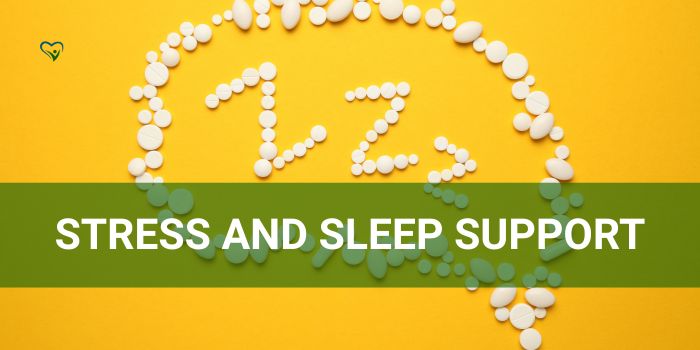
Stress and poor sleep have become two of the most common health concerns today. Many people feel mentally tired yet struggle to relax. Others feel physically exhausted but still cannot sleep deeply. This imbalance affects energy, focus, mood, and overall wellbeing. The connection between stress and sleep runs deeper than…...
Stay informed in the ever-evolving world of wellness with PureHealthPicks. Join our community for expert tips, honest reviews, and exclusive health insights.
We provide honest health and wellness product reviews, expert tips, and simple guides to help you make smarter, healthier lifestyle choices every day.
Copyright © All Rights Reserved. Designed and Developed by Web Craftrix .


 September 4, 2026